
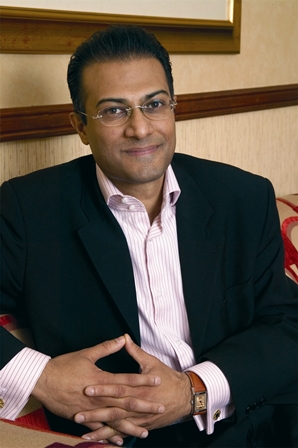
 Gopal says the conference was valuable as a platform of global discussion on issues effecting property and offered interesting insights on strategic thinking, global seismic shifts, emerging trends and challenges.
“One of the important things I have brought back home from my visit to Australia is a confirmation that the current move to REITs for which the Property Loan Stock Association of SA is lobbying, is the correct way to go if we want to join the global players in the major world markets. We definitely need to be working within a structure familiar to international investors in order to realise the potential of our market and REITs has proven advantages including increased investor accessibility and lower liquidity risk.”
All three South African delegates commented on the strength and influence of the Australian Council as an socio-economic and political force to be reckoned with. Gopal says, “In Australia, the umbrella bodies for various groups within the property industry are all linked, unlike South Africa, where we have associations such as SAPOA, the Property Loan Stock Association, the SA Council of Shopping Centres and others, who all communicate but are not actually linked. This unified and representational structure has made the Property Council of Australia very strong over the past 10 years and given it a tremendous advantage in influencing any legislation or other factors affecting the property industry.”
The Council has a complement of 100 dedicated staff, including 30 researchers and full-time lobbyists who work with government to ensure that the best interests of council members are served. The Council in Australia exerts enormous influence, it is very vocal in publicly commenting on the impact of all draft legislation effecting commercial, industrial and residential property owners/ investors and it is accepted and consulted as the authentic voice of the industry.
Naidoo says the private sector in Australia is very supportive of the Council and there seems to be a lot more consultation on all levels than we are accustomed to locally. Gopal feels that this is a direction to be pursued in South Africa and there will be a natural progression towards developing a unified body for the property industry here. He says, “A certain amount of the fragmentation in South Africa is due to historical reasons, but if you look at other disciplines such as banking, mining, CA’s etc, all of which were also fragmented in the past and have now unified, I don’t see why the property sector can’t do it – it would be in the interests of all key players and I believe we will see this happening within the next 3 to 5 years.”
Another interesting aspect about Australia, and fast becoming a world trend, is the uncompromising focus on environmental sustainability. Gopal and Kerswill both commented on the fact that nothing is being built today in shopping centres or office buildings in Australia without strict environmental consideration. Kerswill says that Australia has grading systems in place which they use to grade both new and existing buildings in terms of environmental sustainability, including the conservation of non renewable resources such as energy and water. The use of natural building materials and designs that promote ‘healthy’ buildings is also a priority.
Gopal says the conference, characterised by a free sharing of intellectual capital, was an impressive example of the Property Council of Australia’s stated objective of delivering world class information, networking and serving as a professional development platform of global significance.
