 “Prices have come down, we’re not denying that. But this issue is not only exclusive to Cape Town’s CBD, it’s a global one,” explained Richard Boxford, sales director at Life Residential.
“Life Residential had a 25% market share in the city centre residential market in 2010. For the first half of this year, that figure is closer to a third of the market,” Boxford said. “We are, in other words, a reasonable barometer of the CBD residential market and we can see that the property market is starting to recover from the recession. There has been a marked increase in buyer enquiries over the past 18 months, particularly in sales of sectional title residential properties.”
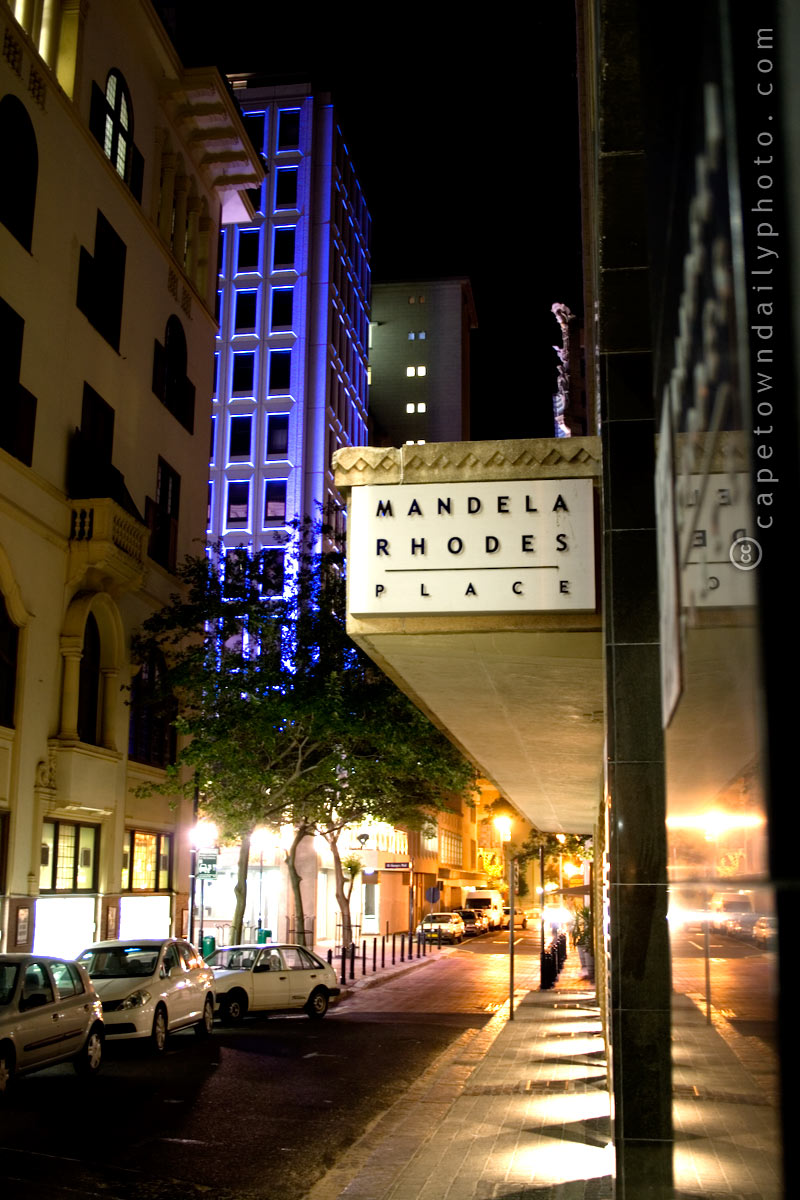
“I don’t believe that the CBD property market is in a slump. Sales activity for 2010 and 2011 is fairly consistent – it is neither significantly up nor down, not in the number of sales or values per m²,” Boxford continued. “For example, we have recently sold at The Fairburn for R21 000m², The Winery for R19 000m² and Court Chambers for almost R20 000m². These three buildings all form part of Mandela Rhodes Place.”
Boxford’s views are echoed by Hugh Hardy, a property analyst at Seedstone, which focuses on private equity property investment and development. Seedstone and Life Residential have over the past 18 months worked closely together to sell the majority of a portfolio of 46 apartments at the Icon in the Foreshore. “We’ve sold 41 units at the Icon in the past year-and-a-half,” Hardy stated. “There are only 5 units remaining. This shows that sales haven’t stagnated. People are still willing to buy inner city property, but at realistic prices.”
Capital appreciation in the Foreshore over the next few years is a given. “The expansion of the CTICC, Vodacom’s new seven-storey data centre, the soon-to-be opened My Citi BRT station – these are all strong indicators of this area’s sustainability,” Hardy explained.
According to Hardy he has seen mainly two types of buyers currently investing in residential property in the CBD. “There are those who buy to live, play and work in the city centre, and then there are investors who recognise that property prices have lowered sufficiently since the high levels of 2007, and who want to purchase given the potential capital appreciation that will follow.”
Inner city living is becoming more and more desirable. “Initiatives such as the Earth Fair Market in St Georges Mall, the Name Your Hood campaign and the upcoming Open Book Festival are but a few reasons why there is such a positive energy in the Cape Town city centre,” said Taryn Lewis, a property consultant with Life Residential. She describes the two broad sets of people looking to buy, live and work in the city: “Firstly there are your young professionals, 30-something and older, who benefit from the proximity and security this lifestyle has to offer. Secondly, many parents buy on behalf of their children, who are still studying or in their first job, to give them a bit of a jumpstart.”
In closing, Boxford believes that the continued growth in demand for inner city living space will lead to an increase in property prices. “Currently there are an estimated 45 - 50 residential buildings, that’s about 3,000 apartments, in the CBD. No new residential buildings have come onto the market in the past two years. The demand is slowly overtaking the supply, and of course that’s going to have a direct impact on prices in the area.”