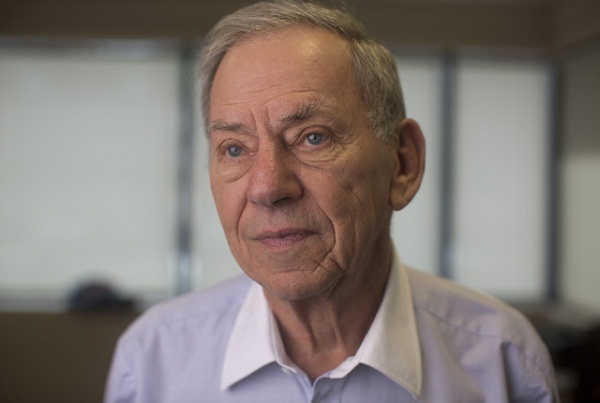
 SA entrepreneur Natie Kirsh is in the thick of a battle over London-listed property company Minerva. As its biggest shareholder, with 29,5%, he has called a general meeting on September 8 to try to oust management, claiming incompetence and lack of transparency.
The company’s shares, at 90p, are down 75% from their 2008 peak.
There could be an opportunity here for SA investors if he succeeds. Kirsh has a reputation for being an asset to management of companies he buys into.
For instance, he bought 33% of Australian-listed property fund Abacus last year. Happy with their co-operation, he has taken up a seat on the board and recently jointly bought a A$174m shopping centre and marina in Sydney with the fund.
Minerva’s portfolio includes two prime new office buildings in the city of London’s Square Mile that are letting into demand. It also has development properties in West London. All of these will take time to mature and create value.
It’s not certain Kirsh will win this battle, despite the next-biggest shareholder having less than 5% of the company. He can’t buy more shares at present because of the previous offer made and does not want control.
“If I take control, I take Minerva’s nearly £1bn debt onto my own balance sheet,” he says.
Other shareholders have already rejected his bid to fire the chairman, Oliver Whitehead, at a previous general meeting he called.
“I was told by my advisers that shareholders were apathetic and I shouldn’t engage with them and stir up interest,” says Kirsh.
This time Kirsh’s management have lobbied investors in his bid to better understand the financial structure of Minerva and to remove management and have his nominees, former Investec CEO Brad Fried, and his UK property chief Philip Lewis, appointed to the board.
Minerva CEO Salmaan Hasan and the directors’ sole argument in defence of the Kirsh move seems to be that Kirsh is trying to wrest control of the company without having to pay a premium, which Kirsh denies. Minerva has declined to comment on this point.
The battle started last year when management decided to sell its head office in Wigmore Street in London’s West End at the lowest point in the financial crisis, to bolster cash reserves to pay overheads. Kirsh says Hasan reneged on an agreement to give him the chance to outbid any eventual buyer of the property. “They undersold it,” he told the FM at the time.
He says he then started looking more closely at management and became worried about their competence, corporate governance and transparency.
Kirsh was attracted to buy into Minerva, despite its high gearing — market capitalisation £151m, debt about £1bn — because the debt of each building was ringfenced, so that the failure of one asset wouldn’t affect the rest . Then Kirsh learnt that management had tied profits from its Lancaster Gate residential development as additional security for loans to its office buildings, breaking through the ringfencing.
Kirsh’s first target was Whitehead, who he said was not independent enough to be chairman. He called a general meeting and had him removed. But the board immediately reappointed him.
Minerva’s PR firm, Brunswick, allegedly fed the press a story — untrue, says Kirsh — that Kirsh’s Israeli security equipment company, Magal, was building “apartheid walls” around Palestine’s West Bank.
“We utterly refute the suggestion ... allegations are another attempt to distract from Kirsh’s control-seeking agenda,” says a Minerva spokesman.
Kirsh is likely to persist with his battle and, if he succeeds, new management and a rising market could make Minerva an inviting investment.